Quick answer
An autism friendly holiday isn’t about a label on a hotel website. It’s a trip planned around the person: a journey you can predict, a quiet place to stay, safe foods sorted before you go, and days with room to rest. Where you go matters less than how the trip is planned.
“Autism friendly” on a website doesn’t mean much
The pepperoni pizza lesson
By Jemma Wild · 25 October 2026
When people ask me what makes an autism friendly holiday, I don’t start with a destination. I want to know about the person going.
What do they enjoy?
What do they find difficult?
What will they eat, and what do they need when everything gets too much?
A hotel can have a sensory room and still be completely wrong for your family. I’m a mum to an autistic son, and I’ve learnt that the details people overlook can end up being the things that matter most.
What does “autism friendly” actually mean?
Search for autism friendly holidays and you’ll usually get a list of resorts, hotels and attractions. Some have sensory rooms. Others offer queue passes or staff who have had autism awareness training.
Those things can help, but they don’t tell you whether the holiday will work for you.
If the journey has already been exhausting, there may be very little energy left to enjoy what you’ve come for. If your room is beside a noisy lift and nobody sleeps, a sensory room downstairs won’t solve that.
I want to know what a place actually offers and whether that matches what your family needs.
What I look at before choosing a destination
The journey is one of the first things I consider. How long will it take? How many changes are involved? How much waiting around will there be?
Sometimes flying is the best option.
Sometimes a ferry or train makes more sense. That’s why I don’t always fly.
Then there’s the accommodation. I look at where the room is, what’s nearby and whether there’s somewhere to have a break from everyone. Being close to the entertainment might sound convenient until you’re trying to get your child to sleep.
Food needs thinking about before you go, too. “There’s a children’s menu” doesn’t tell me whether there’s anything on it your child will eat.
You don’t have to fill every day because you’ve paid to be there. Sometimes having a quiet day is what makes the next day possible. Rest days are not wasted days.
The pepperoni pizza lesson
My son eats pepperoni pizza. That’s his safe food.
When we went to Germany, I thought we’d be able to get it. It wasn’t until we were standing in a supermarket that I realised we couldn’t find the pizza he would eat. He lived on brioche and crisps for days.
It might sound like a small thing until you’re away from home with a child who can’t eat what’s available. Having other food on the shelf doesn’t help if none of it feels safe to them.
That experience changed what I look for before travelling. I don’t just ask whether somewhere serves pizza. I need to know whether it’s the kind the person will actually eat.
I wrote more about what happened in ARFID Safe Foods Abroad.
There isn’t one destination that suits everyone
People often ask me where the best autism friendly holiday destinations are, I understand why. You want somewhere you can feel more confident about booking.
But what works for my son might be completely wrong for your child.
For one family, a quiet cottage in Wales could be exactly what they need. Others might enjoy a city break, with shorter days out and somewhere calm to come back to and some want the excitement of Disneyland Paris, with enough time to take breaks.
Being autistic doesn’t mean everyone wants a quiet holiday.
This is why I ask about you and your family before recommending any place, as one size does not fit all.
Questions worth asking before you book
You don’t need to have every detail worked out straight away, but these are useful questions to start with:
- How will we get there, and how much waiting will there be?
- Where is the room, and what is nearby?
- Is there somewhere we can go if things get too much?
- What will my child eat when we arrive?
- What could we do if the journey is delayed or our plans change?
- Have we left enough time to rest?
The answers can help you see whether a holiday will suit your family, and what still needs sorting.
If you’re looking at that list thinking, “I don’t know where to start,” that’s something I can help with.
You don’t need a diagnosis to ask me for help
You might have a diagnosis, or be waiting for an assessment and still be working out what your family needs. You don’t have to explain it to me before asking for my support.
Tell me what you enjoy, what you find difficult and what you need me to consider.
We can start there.
Common questions
What is an autism friendly holiday?
For me, it’s a holiday planned around the autistic person going on it. That includes the journey, accommodation, food, activities and time to recover. What that looks like will be different for each person.
Are there autism friendly hotels in the UK?
Some hotels and holiday parks offer sensory spaces, quieter accommodation or staff with relevant training. Ask what they mean by “autism friendly” and ask specific questions about what you need. The description alone won’t tell you enough.
Can we get help at UK airports?
You can request airport assistance through your airline. Explain what support you need and arrange it in advance. You can also check the airport’s accessibility information before travelling.
Many airports recognise the Sunflower Lanyard, but wearing one doesn’t tell staff exactly what help you need or replace an assistance booking.
How far ahead should I plan?
Give yourself time to check the details that matter to your family, particularly if your dates or accommodation needs are specific. I explain more in why early planning matters.
You can’t plan away every difficulty. But knowing where you’re going, what you’ll eat and where you can take a break can make a real difference. Those are the details I want sorted before you leave home.
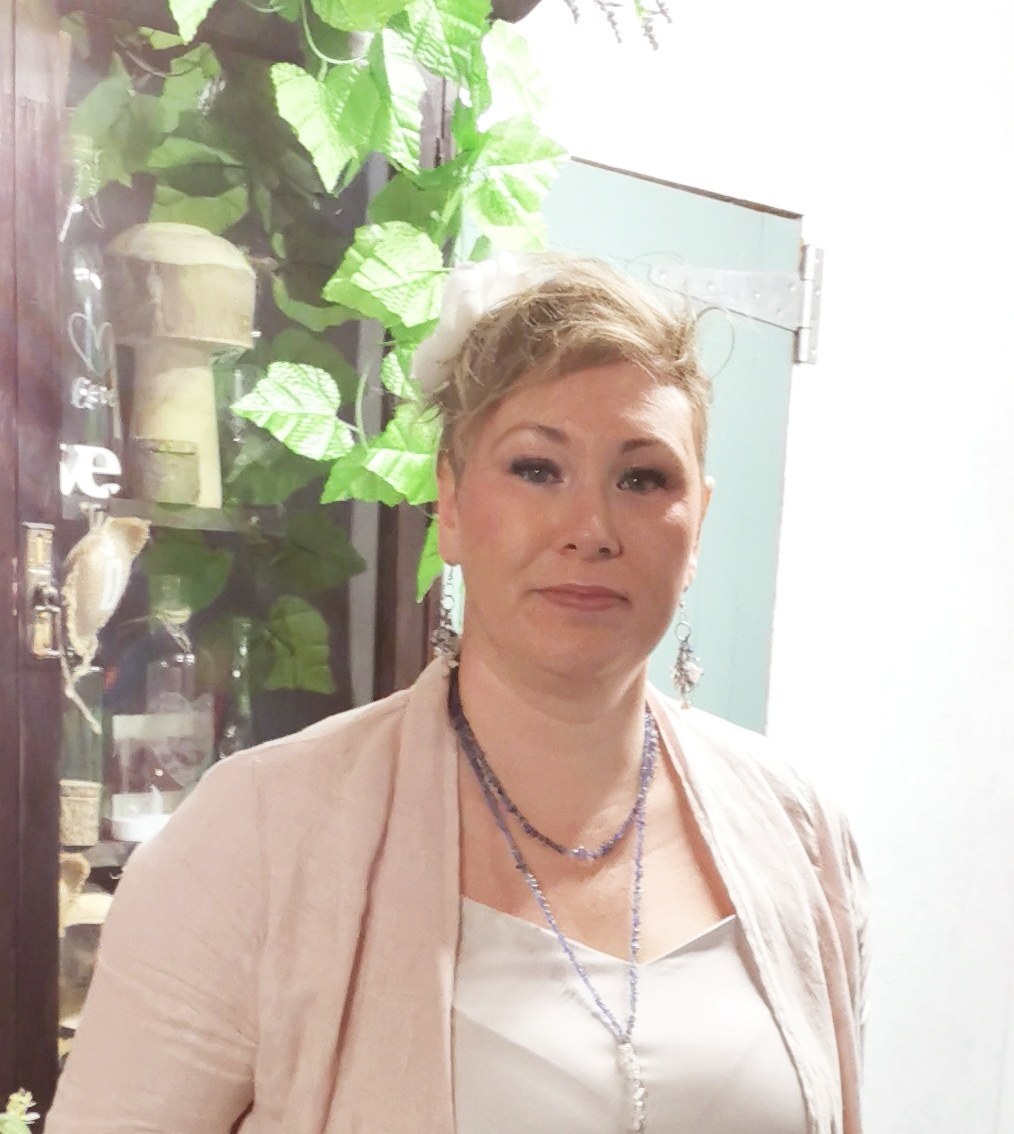
Jemma Wild, founder of Nero Divergent Travel.
Mum to an autistic son, with ADHD and dyslexia of my own. I help neurodivergent individuals and families plan trips around your needs.
25th October 2026