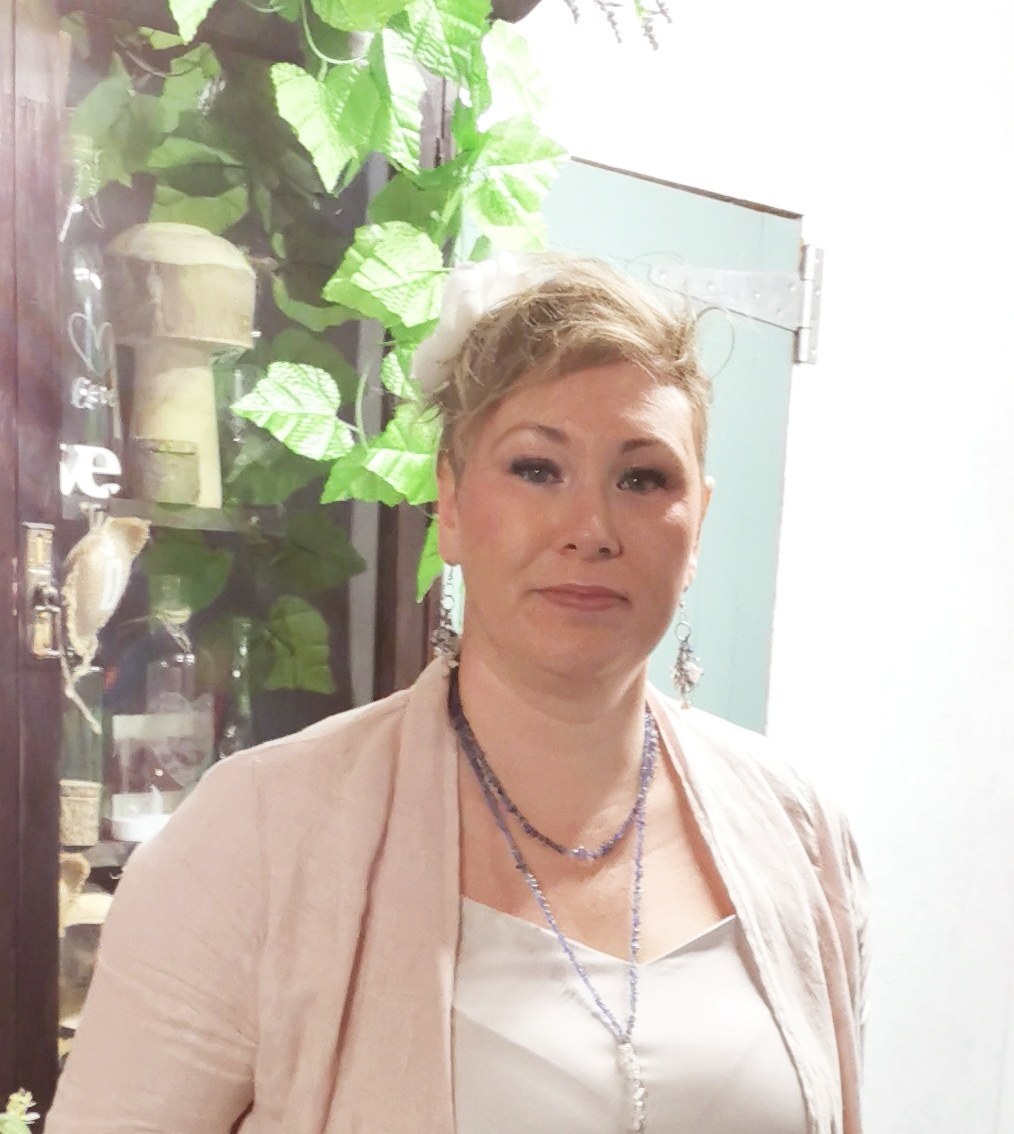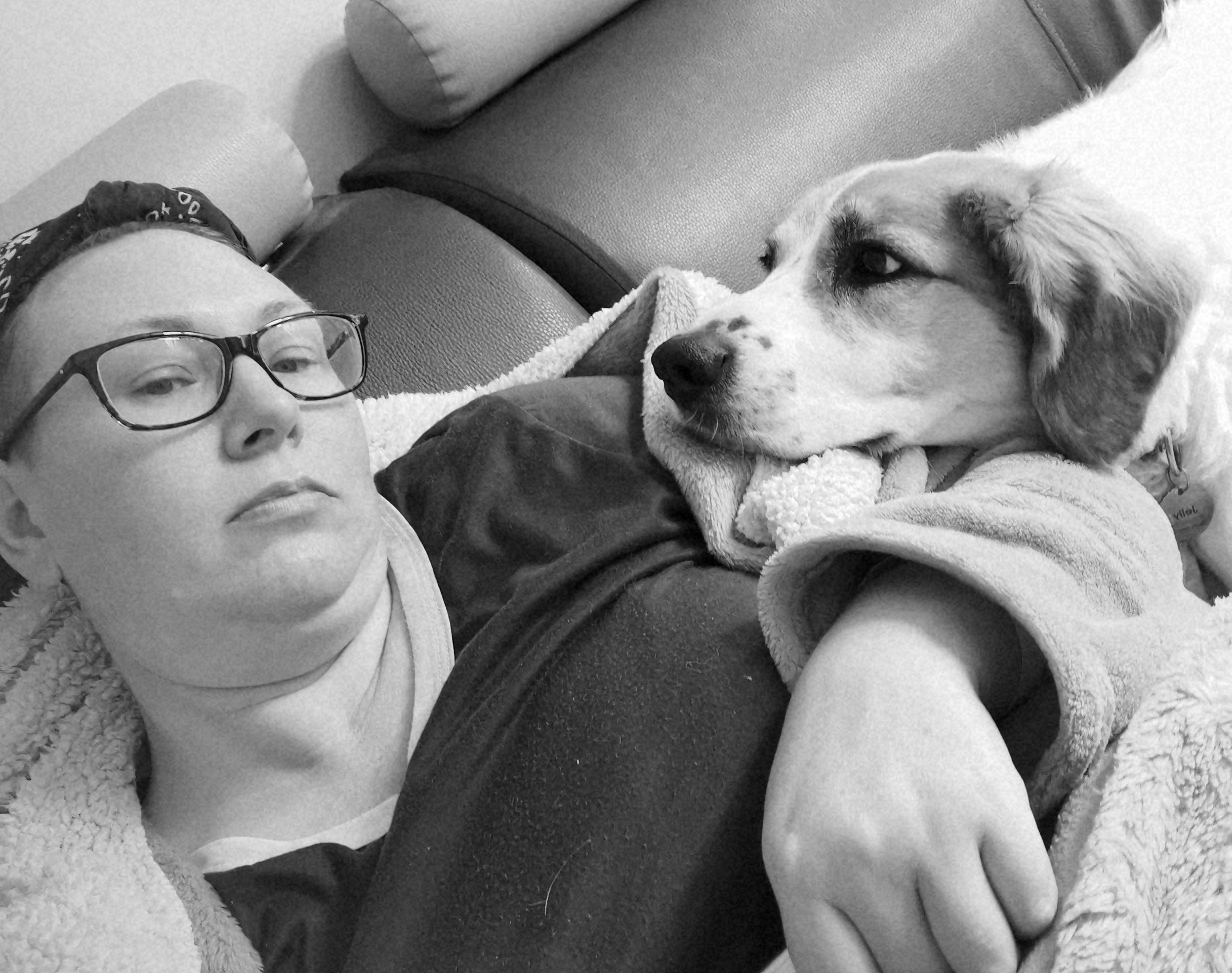
This week I made a mistake. Then I found out how hard people can be on someone who gets it wrong while genuinely trying to get it right.
I want to write about it honestly, because I don’t think I’m the only person this has happened to.
What happened
I was in an ADHD support chat. If you have ADHD, you’ll know how fast these chats move. I loosed track of the conversation or conversations, and then someone mentioned holidays. OR I thought someone did, but turns out nope
I’ve been thinking about group holidays for neurodivergent people. So, I decided to ask one question, “would anyone be interested in a group holiday to Greece”? Then I left it.
I thought it to be ignored, or maybe get the odd like. Instead, five or six people replied with emojis showing interest.
I knew the group was a support group, and the rules say no promoting businesses. So I didn’t carry on talking about it in the chat. Instead, I messaged the people who had reacted, one by one. I thanked them and told them a bit about the idea, and said it was new and that I hadn’t done anything like it before.
I wasn’t selling in those messages, I was trying to explaining. Then I set up a separate group and sent each person an invite link, so joining was their choice. Ignore the invite and that’s a no. Join and that’s a yes. In that group I shared more details, including the cost, and pointed people to my website if they wanted to know more, with no obligation. I said again that it was an idea I was still developing.
What I didn’t make clear was that I also run a business. That’s on me, and I accept it.
What came next
The next morning, the replies came in. I was being told I had upset people, that my approach was inappropriate, and I should promise not to do it again or be removed from the group.
Some of the replies were fair points, made firmly. Some were sarcastic. One asked whether I had read the rule and gone looking for a loophole. I apologised, more than once, and the messages kept coming. I felt belittled and humiliated. While I was hurting, I was told I was the one who had caused the hurt.
I genuinely thought I was following the rules. I made a decision based on the rules I knew, and I still got it wrong.
I can see the other side
I want to be fair here, because fairness matters to me.
Support groups need to feel safe. People join groups to be supported, not to be sold to. A private message from someone you only know from a support chat can feel uncomfortable, especially when it turns out there’s a business behind it. Looking back, I should have said clearly that I run a business, and I should have asked permission before messaging anyone privately.
One member put it in a way that has stayed with me. Reacting with an emoji is not the same as asking, tell me about a service. People in that group are there as members, not as potential customers. Once I had shared a cost and a website, it didn’t matter how gently I had worded it. To them, it was business.
Looking back, the question itself was fine. Moving the conversation out of the support chat was me trying to respect the rule. Where I crossed a line was contacting people privately without asking first. I didn’t know it. Not knowing an unwritten rule doesn’t make someone a bad person. It means they learn it the hard way.
I didn’t mean to hurt anyone. I’m truly sorry.
But a mistake is not the same as bad intent, how a mistake was pointed out, matters.
Why people say things online they wouldn’t say face to face
In 2004, psychology professor John Suler described what he called the online disinhibition effect. He found that people often act out more strongly online than they would in person, and he named six factors behind it. They include anonymity, being invisible, and not having to deal with the other person’s reaction in real time.
In a group chat, you don’t see the face of the person reading your message. You don’t see them go quiet, or watch them get upset. That makes it easier to be harsh.
When many people say the same thing at once
Researchers at Stanford found something interesting about online pile-ons. One person criticising bad behaviour is usually seen as fair. But when lots of comments pile up against one person, onlookers start to see it as bullying, and they begin to feel sympathy for the person being criticised.
And researchers at Northwestern University’s Kellogg School looked at whether people gain respect for condemning someone quickly, without hearing their side. On balance, they don’t.
None of that means the people in the group were bad people. It means that group chats can turn a single mistake into something much bigger, very quickly.
Why it hurts so much
Many people with ADHD talk about rejection sensitivity: intense emotional pain triggered by real or perceived criticism or rejection. Researchers at Brighton and Sussex Medical School published a study on this in 2026. People in the study described it as something that hurts in your body.
It’s worth being clear that rejection sensitive dysphoria is not a formal diagnosis, and the research is still at an early stage. But anyone who has ADHD, or lives with someone who does, will probably recognise the feeling.
For me, this isn’t new. My mental health struggles started with rejection sensitivity. So when the messages kept coming, it wasn’t just a bad morning. It touched something I’ve lived with for a long time.
One member made a fair point: rejection sensitivity is real, but other people still have the right to say when a boundary has been crossed. I agree. Both things can be true. Their discomfort was real, and so is my hurt. I’m still human, and comments still hurt me too.
What I’ll do differently
If I ever raise an idea in a community space again, I’ll say upfront that I run a business. I’ll check with the group admin first. And I’ll ask people in the group whether they’re happy for me to message them before I do.
That’s the learning. I’m taking it.
If you’re ever on the other side
If someone in your group gets something wrong, they deserve a correction, not a crowd. One clear, kind message explaining the rule does the job. A pile of messages from people who don’t know them does something else entirely.
And if you’re the one who got it wrong: apologise sincerely, take the lesson, and let that be enough. I’ve done that.
I’m human. I make mistakes, and I get hurt. So do you. I’d like to think the spaces built for people like us can hold both of those things at once.
Jemma Wild
Founder | Nero Divergent Travel | Personalised Travel Planner
www.nerodivergenttravel.co.uk
contact@nerodivergenttravel.com
Sources
- Suler, J. (2004). The Online Disinhibition Effect. Cyberpsychology & Behavior.
- Stanford University (2018). When moral outrage goes viral, it can come across as bullying.
- Kellogg Insight (2024). What’s Behind the Rush to Join an Internet Pile-on?
- Brighton and Sussex Medical School (2026). New BSMS research explores rejection sensitivity in ADHD.
- Rowney-Smith et al. (2026). The lived experience of rejection sensitivity in ADHD. PLOS ONE.
- Medical News Today. ADHD and rejection sensitive dysphoria.