Quick answer
Sensory triggers are things like noise, bright lights, crowds and smells that can overwhelm the nervous system. To reduce them when travelling:
- give yourself plenty of time so you are never rushing
- book the airport sensory room at least 48 hours ahead (earlier when it is busy)
- always build in rest stops and rest days
- always have a plan B
Avoiding Sensory Triggers While Travelling
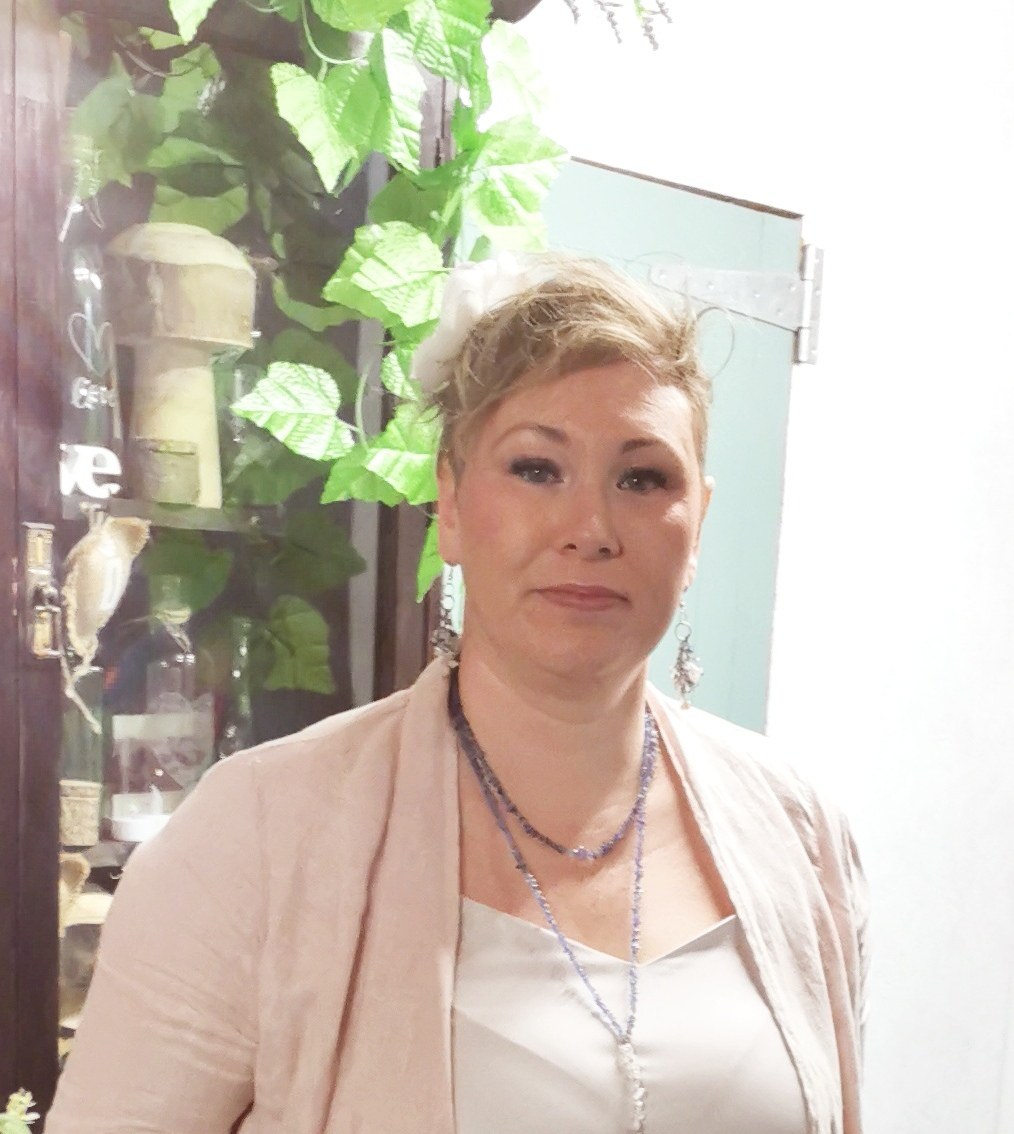
By Jemma Wild, Nero Divergent Travel
Let me tell you about the time I nearly drove into Germany by accident and had a full screaming match with myself on the side of the road.
I was travelling from Manchester to the Nürburgring with my autistic son. I had planned to pass through Luxembourg on the way, I had been there as a child and really wanted to go back. It felt like a meaningful part of the trip.
What I had not planned for was the reality of what my body and brain were dealing with by the time we got there.
I had been driving for almost 24 hours. I had snatched about four or five hours of broken sleep on the ferry. There had been a three hour stop in Belgium, and another three hours of sleep somewhere along the way. By the time we should have been passing through Luxembourg, I was running on almost nothing.
I could not read the map properly. I missed the turn. I bypassed Luxembourg entirely and found myself driving in circles somewhere in Germany, completely lost, completely exhausted, and completely overwhelmed. I got out of the car. I had a screaming match with myself. I genuinely wanted to go home.
My son, I should mention, had absolutely no sympathy whatsoever. As far as he was concerned, it was my problem that I had lost it, nobody else was struggling. And he was right, in his own very direct way.
What happened next is the part that matters. I had to find a way to regulate myself enough despite the exhaustion, the sensory overload, the frustration and the disappointment to get my bearings, read the signs, and find where we needed to be. And eventually, we did find it. But it took a physical and emotional toll on me that I have never forgotten.
I share this story because I have ADHD, and I understand first-hand how quickly a trip can unravel when the environment or your own nervous system stops cooperating. And I share it because if someone who plans neurodivergent travel for a living can end up on the side of a German road screaming at herself, then none of us should feel ashamed of finding travel hard.
Sensory triggers are real. They are not dramatic. They are not weak. And they can affect any of us.
So let us talk about what they are, where they tend to show up, and what you can actually do about them.
What is a Sensory Trigger?
A sensory trigger is anything in your environment that causes your nervous system to react in a way that feels uncomfortable, overwhelming or distressing.
For neurodivergent people whether you have autism, ADHD, sensory processing differences, anxiety or a combination of conditions sensory triggers are not a choice. They are a genuine neurological response. And when you are already navigating an unfamiliar place, they can make even a simple journey feel impossible.
The good news is that with some advance planning, many sensory triggers can be reduced, avoided or managed without limiting the adventure.
The Airport
I understand why airports feel overwhelming, because I have been there myself. The noise alone can be relentless announcements echoing from every direction, departure boards clicking over, crowds moving unpredictably, children crying, engines rumbling in the distance.
Add to that the bright fluorescent lighting, the unfamiliar smells from food outlets, and the sheer number of decisions you have to make in a short space of time, and it is easy to see why airports are one of the most common trigger points for neurodivergent travellers.
What helps:
Arrive early. Rushing amplifies everything. Give yourself more time than you think you need, and use it slowly.
Use Hidden Disability assistance. Most UK airports accept the Sunflower Lanyard or Purple Badge. This gives you access to quieter lanes and additional support without needing to explain yourself at every point.
Find a quiet space. Many airports now have sensory rooms or quiet areas. They are not always well signposted, so it is worth researching in advance or asking staff.
Book the sensory room. Book the airport sensory room at least 48 hours before you fly, and earlier when the airport is busy.
Bring your own sensory toolkit. Noise-cancelling headphones, a familiar scent, a comfort item, a snack you know is safe these small things make a big difference.
Book assistance in advance. You do not have to manage the airport alone. There is support available, and using it is not a weakness it is smart planning.
On the Plane
For many of my clients, the plane itself is a source of significant anxiety. The confined space, the engine noise, the pressure changes, the unpredictability of turbulence, and the proximity to strangers can all combine into a very uncomfortable experience.
I understand this because I have spoken to so many travellers who have avoided flying altogether not because they did not want to travel, but because nobody had helped them think through how to make it work for them.
What helps:
Window seat. I always recommend requesting a window seat where possible. Having something fixed to look at outside, and not being exposed to the aisle, can significantly reduce anxiety for many travellers.
Noise-cancelling headphones or earplugs. The constant hum of a plane engine is relentless. Blocking it out or replacing it with familiar music or a podcast can transform the experience.
Know your safe foods. Airline food is unpredictable. I always advise packing familiar snacks so that you are never in the position of having nothing safe to eat.
Tell the airline in advance. Many airlines will make accommodations for passengers with hidden disabilities but only if they know. Ask when you book.
Start short-haul. For first-time flyers or those with significant sensory needs, I often recommend starting with a short flight of two hours or under. Greece, Spain, Portugal and the Canary Islands are all achievable without a long journey.
On the Road
I learned this one the hard way as you now know.
Road trips can feel like the more flexible, more comfortable option. And they can be. But they come with their own sensory demands that are easy to underestimate.
Sleep deprivation is one of the biggest. When you are running on broken sleep, your brain’s ability to process information, road signs, maps, and decisions drops significantly. For someone with ADHD, this is not just tiredness. It is a full system slowdown.
What helps:
Plan rest stops in advance. Do not leave them to chance. Know where you are stopping and for how long before you set off.
Build in more sleep than you think you need. Four hours is not enough. Be honest with yourself about what your body requires.
Use audio navigation. I was trying to read a map when I should have had clear audio directions telling me exactly where to go. Use your phone, use a sat nav, and turn the volume up.
Have a regulation plan. Know in advance what you will do if you start to feel overwhelmed. Pull over. Step outside. Give yourself permission to stop without guilt.
Travel with someone who understands. My son had no sympathy and that was fine, because that is how his brain works. But knowing in advance what support looks like for your travel companion makes a difference.
At the Hotel
The environment you sleep in matters enormously. I have worked with clients who have had wonderful days ruined by a hotel room that was too bright, too noisy, or that smelled of cleaning products they could not tolerate.
I understand this because sensory sensitivity does not switch off at bedtime. In fact, for many neurodivergent travellers, the evening and nighttime environment matters more than anywhere else.
What helps:
Request a quiet room away from the lift, bar or main road. Most hotels will accommodate this if you ask in advance.
Check the lighting. Harsh overhead lighting can be very difficult. A bedside lamp, or bringing a small battery-powered light from home, can make the room feel softer and more manageable.
Ask about the food before you book. I always try to access menus, reviews or direct confirmation from hotels before recommending them to clients with safe food requirements.
Consider self-catering. For some clients, having a kitchen and the ability to prepare their own familiar meals removes a significant source of anxiety entirely.
Bring something from home. A familiar pillow case, a blanket, a soft toy something that smells and feels like home can help regulate a nervous system that is working hard in an unfamiliar environment.
At the Destination
Once you arrive somewhere new, the sensory environment changes again. Busy markets, cobbled streets, loud restaurants, unpredictable crowds travel is full of sensory input that is hard to predict and even harder to control.
The key is not to avoid everything. It is to plan enough structure that the unpredictable moments feel manageable.
What helps:
Visit attractions early. Museums, beaches, markets and tourist sites are significantly quieter in the first hour or two after opening.
Plan rest into every day. A rest period in the middle of the day back at the hotel, in a quiet café, or simply sitting somewhere calm can reset a nervous system that has been working hard all morning.
Research before you go. I spend a significant amount of time before any client trip researching the sensory environment of their destination. What are the noise levels like? Are the restaurants loud? Is there somewhere quiet to sit?
Have an exit plan. Knowing that you can leave if you need to without it ruining the whole day removes an enormous amount of anxiety.
The Most Important Thing I Want You to Know
I got back in the car that day in Germany. I regulated myself. I found Luxembourg. We made it to the Nürburgring.
And honestly? That moment sitting on the side of the road, completely overwhelmed, forcing myself to breathe and think taught me more about neurodivergent travel than any training ever could.
Sensory triggers do not mean travel is not for you. They mean travel needs to be planned with your needs at the centre not squeezed around the edges as an afterthought. That is what I do at Nero Divergent Travel. I listen to what you need, what you want to avoid, and what matters most to you. And then I find the options that actually work for you.
Because travel should adapt to the person.
The person should never have to adapt to the holiday.
Questions and answers
What helps at the airport?
Allow plenty of time so you are not rushing, and wear the Sunflower Lanyard. Book the sensory room or quiet area at least 48 hours before you fly, especially at busy times. Bring noise-cancelling headphones and safe snacks.
What helps at the hotel?
Ask for a quiet room away from the lift, bar or main road. Check the lighting, bring something familiar from home, and consider self-catering so you can have your own safe foods.
What if something goes wrong?
Always have a plan B. Know where you can stop, rest or leave if things get too much, so one hard moment does not ruin the whole trip.
If this resonates with you, I would love to hear from you. Get in touch at contact@nerodivergenttravel.com or visit nerodivergenttravel.com.
Jemma Wild — Nero Divergent Travel