Quick answer
Bucharest can work well for neurodivergent travellers with the right preparation:
- buy a travel card near Arrivals at Henri Coandă Airport before you leave
- the 100 bus goes into central Bucharest; the 442 goes to Piața Presei Libere, which is not the Old Town
- the Old Town has narrow, cobbled streets and can be noisy
- check restaurant menus before you go
- visit popular places at quieter times
- take a swimming costume, towel and pool slippers to Therme
To See If It Works for Neurodivergent Travellers. Here’s My Honest Take.
I have ADHD, and I run a travel business for neurodivergent people and their families. So when I travel, I’m not just on holiday, I’m assessing. What works, what doesn’t, and what could catch a client out before they even reach the good part.
This time it was Bucharest. Here’s what I found.
Arriving: Buy Your Travel Card Before You Leave the Airport
We flew into Henri Coandă International Airport with KLM. After landing, we found the public transport ticket facilities near the Arrivals area and bought a travel card to use for the whole stay.
That one step made everything after it easier. Knowing where to buy a ticket before you walk out of the airport means you’re not trying to work it out at a bus stop with your luggage.
Getting Into the City: Know Your Bus Number
Bus numbers in Bucharest can be confusing, so check the current route before you travel. This is what you need to know:
- The 100 bus connects Henri Coandă Airport with central Bucharest.
- The 442 bus runs between Therme București, Henri Coandă Airport and Piața Presei Libere.
- The airport bus stops are outside the Arrivals and Departures terminals.
Here’s the part that could catch you out: Piața Presei is not in the Old Town. If you get off there, you still need another bus, the metro or a taxi to reach your accommodation. Plan the whole journey, from the bus stop to your door, before you set off, and have a taxi as your plan B.
The Old Town: Interesting, but Not Always Easy Underfoot
We stayed in Bucharest’s Old Town. It has historic buildings, independent shops and lots of restaurants, and it was a really interesting area to explore.
But many of the streets are narrow and cobbled. The uneven surfaces could be difficult for anyone with mobility problems, balance difficulties or heavy luggage.
It can also get noisy and busy. If crowds or noise overwhelm you, plan quieter routes and allow time for breaks. None of this is unmanageable, but it should be part of the plan, not a surprise when you arrive.
Romanian Food: Comforting, and Worth Checking First
We ate at a traditional Romanian restaurant and tried some local dishes. Romanian food often includes meat, root vegetables, soups and broths. We enjoyed it, and found it comforting and full of flavour.
If you have food sensitivities, allergies or a small range of safe foods, look at the menu before you go. It takes the guesswork out of the visit.
One Moment That Was a Lot: The Bookshop at 7pm
We visited a popular bookshop in Bucharest. At around 7pm it was still extremely busy, with lots of people, movement and noise.
If you have sensory sensitivities, go earlier in the day, allow extra time, and plan a quiet place to go afterwards.
Therme București: Getting There and What to Take
We travelled to Therme București by public transport. The 442 bus stops at Henri Coandă Airport before continuing to Therme. On the way back, it passes the airport and carries on towards Piața Presei.
Check the timetable before you go. Waiting at a stop without clear information adds stress you don’t need.
Take with you:
- a swimming costume
- a towel
- slippers or suitable pool footwear
You can buy these at Therme if you need to, but bringing your own saves money and uncertainty. The self-service payment points we saw took card payments. Therme also says that food and drink from outside are not allowed, apart from specified exceptions.
Would I Send a Neurodivergent Client to Bucharest?
Yes: with the right preparation and the right expectations. Bucharest has interesting architecture, comforting food and plenty to experience.
What I’d tell them:
- Buy your travel card near Arrivals before you leave the airport.
- Check the airport bus numbers before you travel. The 100 goes into central Bucharest.
- Plan the full journey from the bus stop to your accommodation, and have a plan B.
- Be ready for cobbled, uneven streets in the Old Town.
- Look at restaurant menus in advance.
- Visit popular places at quieter times where you can.
- Check what to take before you visit Therme.
- Build rest time into every day.
The biggest lesson from this trip is the same one I see again and again: small pieces of practical information make an unfamiliar city feel manageable. Which bus, where to get off, what to bring, when it’s quieter. Those are the gaps good planning fills.
That’s what I do.
Bus routes can change. The transport information here was checked against Bucharest Airports and Therme București.
Questions and answers
How do I get from Bucharest airport to the Old Town?
Buy a travel card near Arrivals, then take the 100 bus into central Bucharest. The 442 goes to Piața Presei Libere, which is not the Old Town, so you would need another bus, the metro or a taxi from there.
What do I need to take to Therme București?
A swimming costume, a towel and slippers or pool footwear. You can buy them there, but bringing your own saves money. Outside food and drink are not allowed, apart from specified exceptions.
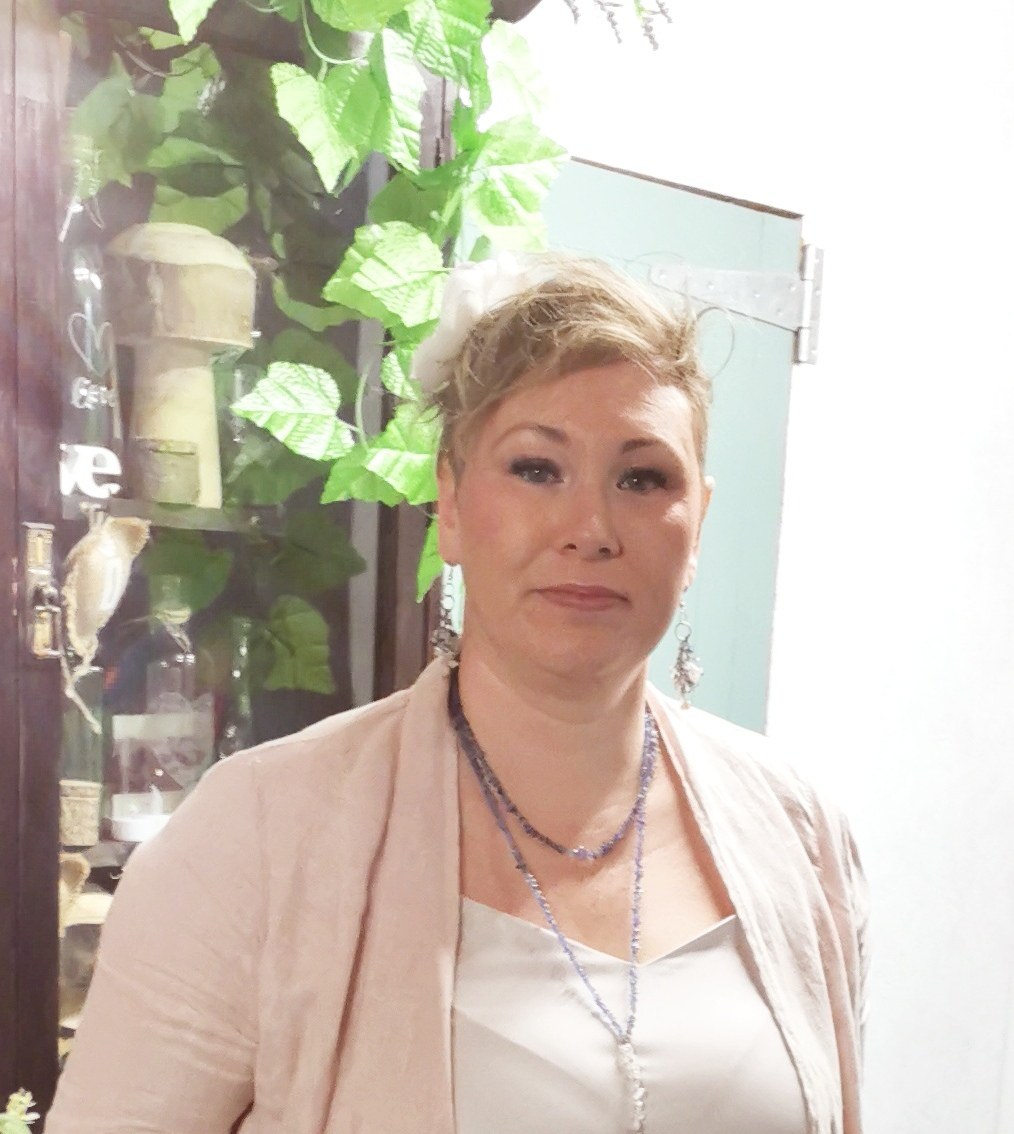
Jemma Wild is the founder of Nero Divergent Travel, specialist travel planning for neurodivergent individuals and families. She has ADHD and runs her business from Manchester. nerodivergenttravel.com